


Quick introduction: why “Indonesia’s Maldives”?
-
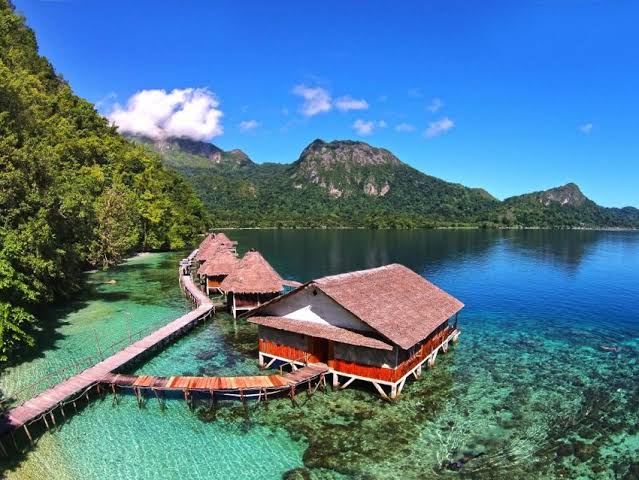
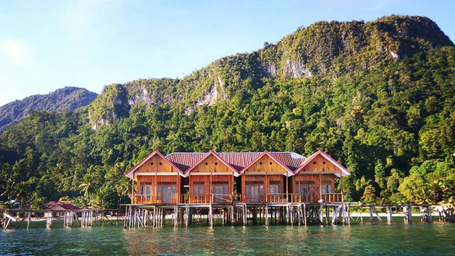
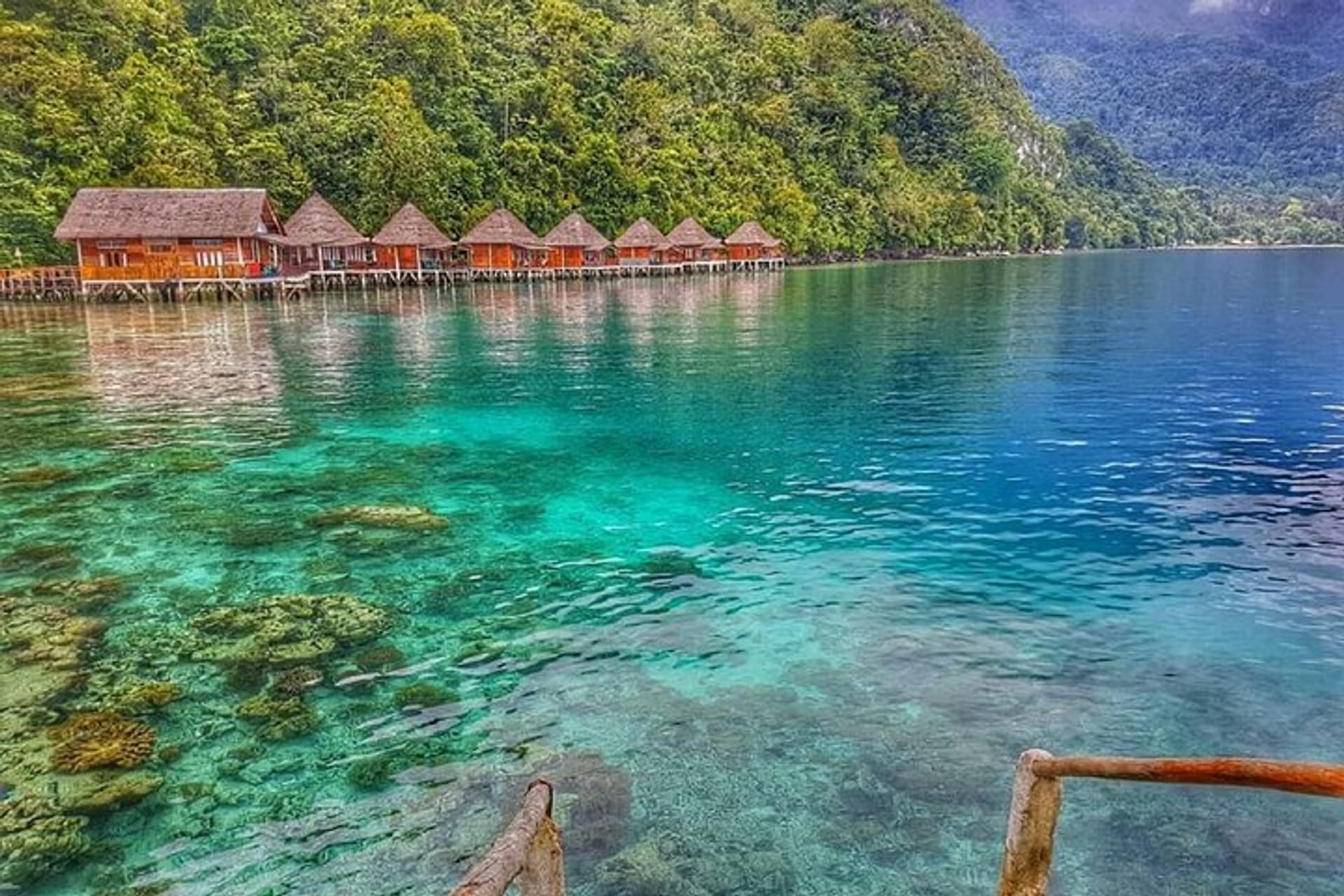
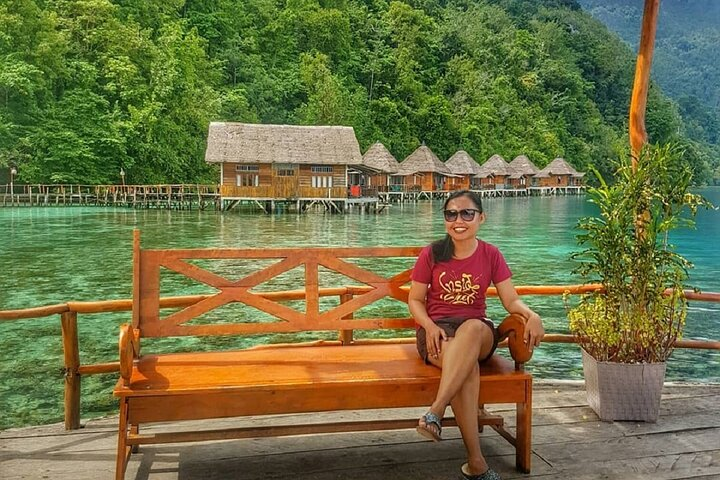
The beach features soft white sand, super clear turquoise water, and over‐water bungalows or cottages built above water — reminiscent of the classic postcard image of the Maldives. (The World Travel Guy)
-
The setting is unspoiled, quiet, remote — you won’t find huge crowds, big resorts, or heavy commercialization (yet) — lending it a feeling of being hidden away, untouched. (The World Travel Guy)
-
Located on Seram Island in the Maluku province of Indonesia, surrounded by jungle and dramatic limestone/cliff terrain — so you get not just the beach & water, but also natural mountain/back‐jungle scenery that enhances the effect. (Wikipedia)
So yes — “Indonesia’s Maldives” is a romantic label, and while perhaps a little hyperbolic, it captures the feeling pretty well: remote, scenic, amazing water & beach.
1. Location and geography




Where is it?
Ora Beach is located on the northern central part of Seram Island, Maluku Province, Indonesia. (Wikipedia) More precisely: it lies at the west end of Sawai Bay (“Teluk Sawai”) near the villages of Saleman and Sawai, in the North Seram area of Maluku Tengah (Central Maluku). (Wikipedia)
Landscape and terrain
-
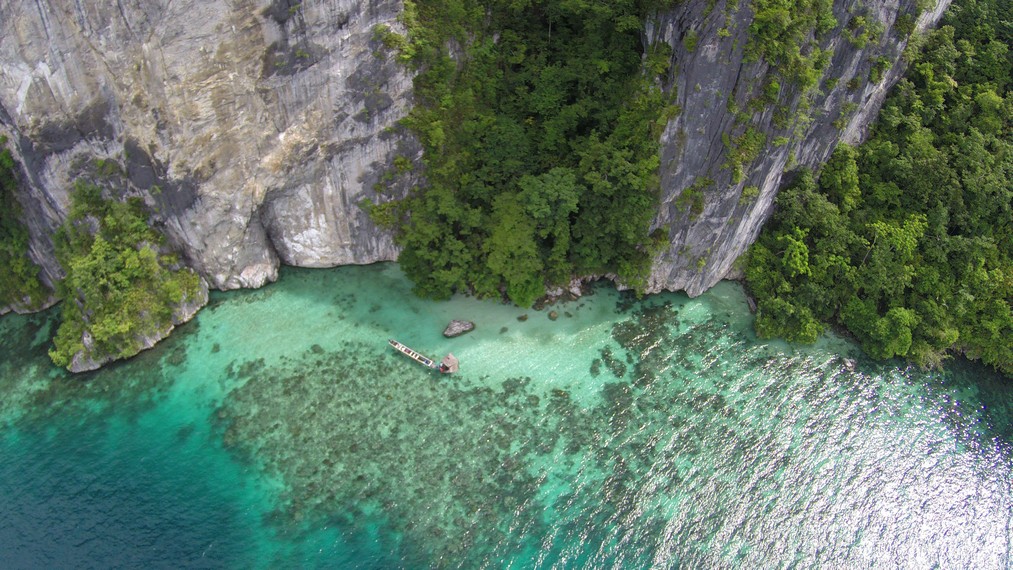
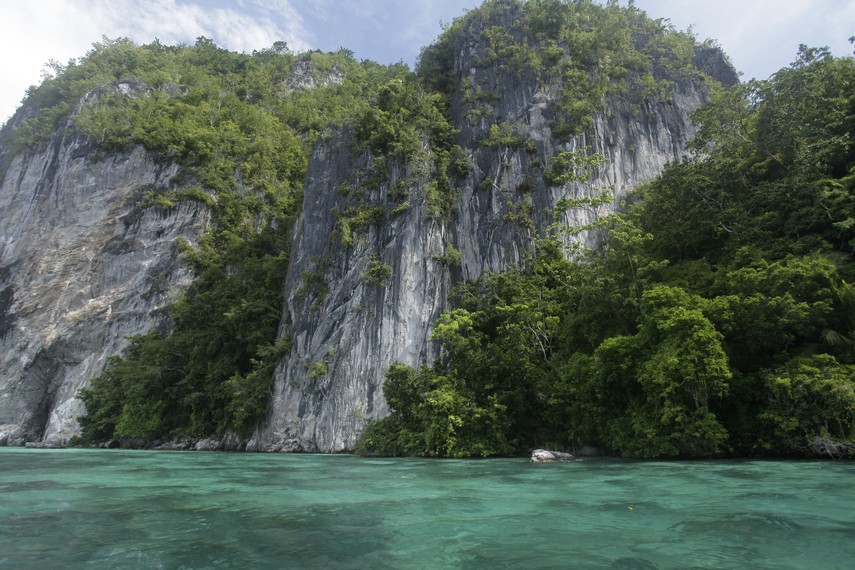
The beach is backed by jungle‐covered limestone cliffs and hills, giving a dramatic contrast of turquoise water & bright sand in front of rich green forest and high rock faces. (marischkaprudence.blogspot.com)
-
The water is very clear and calm in parts; the beach is relatively sheltered because it lies within Sawai Bay, which helps create a more “lagoon‐like” vibe. (The World Travel Guy)
-
The land around is quite rugged; Seram Island is known for mountainous terrain, rain forest, and complex geology. (Wikipedia)
Beach character
According to the Indonesian Wikipedia article, Pantai Ora (Ora Beach) is described as having white sand, very clear and calm water, and rich coral reefs and marine life. (Wikipedia) All of this feeds into the “Maldives–style” feel: low crowd, reef just offshore, calm water, over‐water huts or bungalows.
2. Getting there: the adventure begins


Getting to Ora Beach is part of the charm — it’s not ultra‐luxury resort easy like some big islands, but the journey adds to the sense of remote paradise. Here’s how to do it:
Step 1: Fly to Ambon
Your main entry point is Pattimura International Airport (Ambon, code AMQ) on Ambon Island, Maluku. According to one travel guide: “the nearest airport is Pattimura International Airport in Ambon (AMQ)… direct flights from Jakarta, Makassar, Ternate, Sorong, and other places in Indonesia.” (The World Travel Guy)
Step 2: Ferry/boat from Ambon (Tulehu) to Amahai (Seram)
From Ambon you travel by ferry to Amahai port on Seram Island. For example: Traveloka outlines ferry schedules from Tulehu (Ambon side) to Amahai (Seram side). (Traveloka)
Step 3: Drive from Amahai to the village of Saleman
After arriving at Amahai (Seram), you then drive to the village of Saleman. The road winds through jungle and hills. For example: travel guide says “It takes about 2 hours to drive from Amahai to Salemen, and it’s a scenic jungle road that winds through the mountains.” (The World Travel Guy)
Step 4: Boat from Saleman village to Ora Beach
Travel tips
-
Because of the journey, plan carefully: allow buffer time, check ferry schedules (they may be limited), verify transport from Amahai to Saleman.
-
Road conditions: The drive can be scenic but also winding/rough in parts; comfortable enough but expect slower pace.
-
Weather & sea conditions: The final boat leg may be influenced by sea/tide/boat availability — check locally.
-
If you’re staying in the over‐water bungalows or resort, many organise the transfers for you — worth coordinating ahead.
3. Accommodation & vibes


Where to stay
-
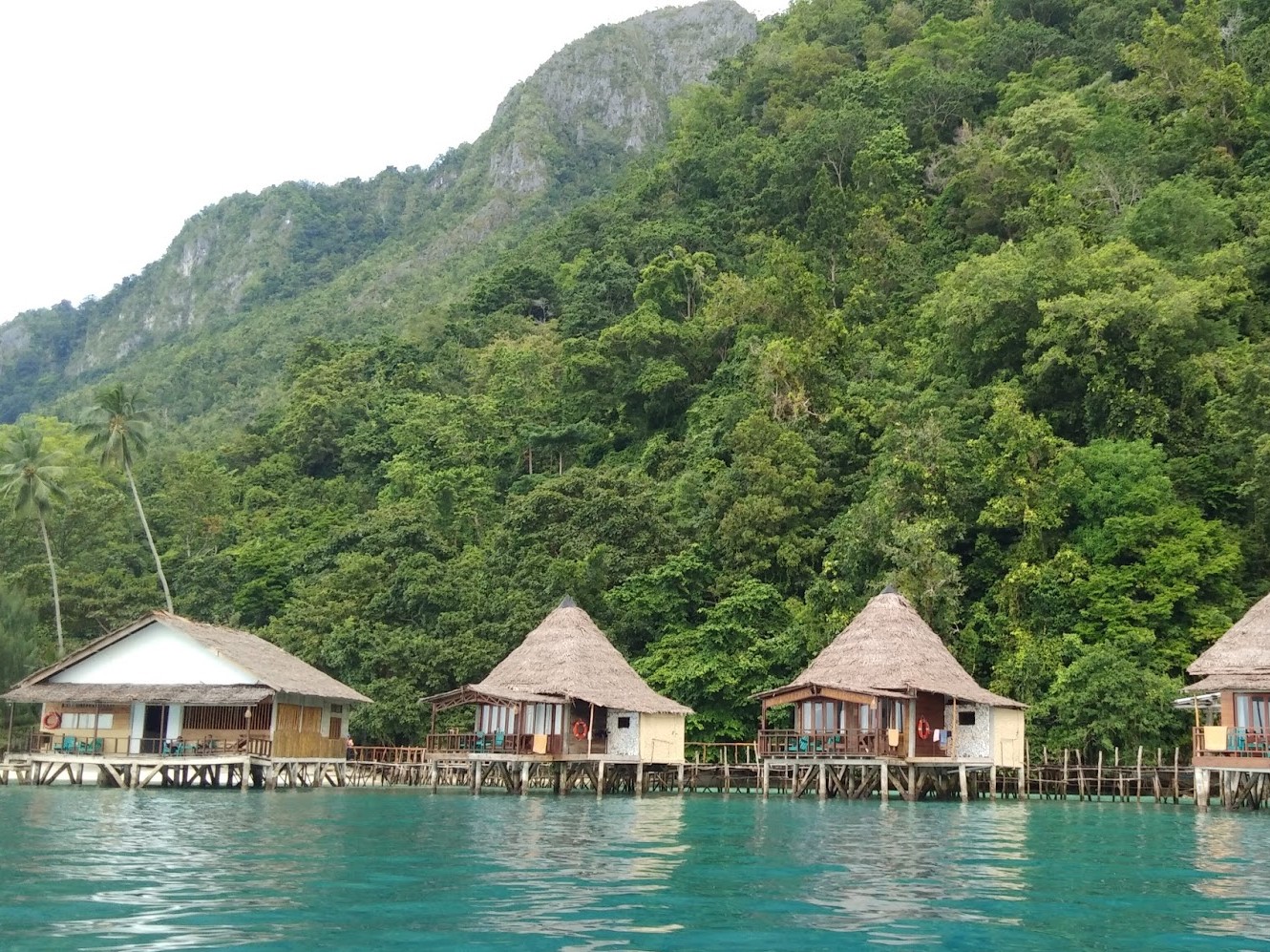
The main known property is the Ora Beach Resort — bungalows built over the water, set in that stunning scenery. (Tripadvisor)
-
There are also simpler guesthouses/homestays around Saleman village for more budget-friendly stays. Some travelers recommend staying in Saleman and doing a day trip to the bungalows rather than staying there if maintenance is a concern. (The World Travel Guy)
The vibe
Things to note
-
Reviews show the resort has good location but some guests report maintenance issues. Example: in Tripadvisor summary: location 4.4/5, but rooms 3.2/5 (as of one point) at the resort. (Tripadvisor)
-
If you choose the premium bungalow over water stay, expect higher cost and perhaps simpler infrastructure than ultra-luxury destination resorts elsewhere.
-
The charm lies in nature and setting rather than ultra-polished high-end service; adjust expectations accordingly.
4. What to do: beach, snorkeling, exploration


Beach & water time
-
Relax on the white sand, dip in the water, enjoy the palm trees and tropical setting.
-
The calm waters of Sawai Bay make the spot conducive to gentle swimming and floating. According to a guide: “You can go snorkeling right off the pier and see lots of nice fish and coral.” (The World Travel Guy)
Snorkeling & marine life
-
The coral reef quality is noted in the regional description: the Wikipedia Indonesian article says the area has “very clear and calm water with reefs, fish, and various sea biota.” (Wikipedia)
-
For snorkelers of any level, you may be able to snorkel directly from the beach or pier, which is a big plus for ease.
-
Bring good snorkel gear, underwater camera if you like, and remember reef-safety (no touching coral, be mindful of fins).
Boat excursions, kayaking, photography
-
Kayaking over the shallow water, glass-bottom kayaking, boat rides around saw limestone cliffs and hidden coves are possible. Example blog: “We rented this glass bottom kayak at Ora Beach Resort.” (The World Travel Guy)
-
Drone or photo enthusiasts will enjoy the dramatic background of cliffs + clear water + over-water bungalows.
-
You might take a boat excursion to nearby scenic cliffs or small islands/coves around Sawai Bay (check with local operators).
Hiking & nature around
-
The backdrop hills/forest make for nature walks or perhaps short treks around the area (depending on your accommodation and local guides).
-
The surrounding forest/jungle environment of Seram Island invites a more adventurous side: bird-watching, forest trails, exploring small villages.
-
One blog mentions that the area has abundant jungle and wildlife, making it ideal for eco-travelers and honeymooners alike. (The World Travel Guy)
Sunset, hammock, idle time
-
Because the place is quiet, some of the most rewarding moments can be simply sitting, watching the light change on the water, enjoying the silence, letting the day drift by.
-
Palm-tree swings, simple wooden walkways over the water, gentle breeze — these low-key details add to the charm.
5. Best time to visit & what to expect


Seasonality
-
Maluku region has tropical climate, with wetter and drier seasons. For the clearest water and calmest seas, the drier months are generally preferable. According to the travel guide: “Seram Island … one of the best places … if you’re looking for a secluded paradise … most of the island is still relatively unexplored.” (The World Travel Guy)
-
Rain can happen year-round, but heavier rainfall and more cloud cover are more likely in certain months (check local climate charts).
-
Boat transfers and visibility for snorkeling may be impacted by sea conditions — so plan a flexible schedule to account for weather.
Visibility & water conditions
-
Because the beach lies in a bay, you will often have good calm water for swimming/snorkeling. The description “very clear and calm water” is used for the beach area. (Wikipedia)
-
For photography and underwater visibility, earlier in the day (morning) and when the sea is calm, you’ll have the best conditions.
Crowds & availability
-
One of the appeals is the low crowds. You won’t find huge luxury‐resort crowds or mass tourism (yet). This means you’ll have more serenity but also fewer surface amenities (shopping, nightlife) compared to popular resorts.
-
Accommodation availability may be limited, so booking ahead is wise, especially for over-water bungalows or premium stays.
6. Practical tips & what to pack

What to bring
-
Snorkel gear (mask, snorkel, fins) if you are comfortable with your own gear — rentals may be available but personal gear often more comfortable.
-
Reef‐safe sunscreen (to protect both your skin and the reef).
-
Lightweight long‐sleeve rashguard/sun shirt for sun protection on water and beach.
-
Underwater camera or GoPro if you enjoy capturing underwater life.
-
Good sunglasses, hat, and/or shade gear for the bright beach.
-
Insect repellent — jungle proximity means mosquitoes may be present, especially in dawn/dusk.
-
Dry bag for boat days, waterproof phone pouch if you plan kayaking/boat trips.
-
Travel power bank, charger, since remote stays may have limited reliable power/internet.
-
Basic first-aid/medication kit.
-
Bring cash — remote areas often have limited card facilities.
Travel logistics & budgeting
-
Transfers: coordinate your arrival in Ambon, ferry schedule, drive to Saleman, boat to Ora Beach. Consider sending your arrival itinerary to the accommodation so they can assist.
-
Accommodation: remote resorts often include meals; check what’s included (breakfast/lunch/dinner) and what’s extra.
-
Food & drinks: Expect simpler menus (fresh fish, Indonesian staples) rather than huge international gourmet spreads.
-
Internet/communication: Remote location means connectivity may be slower or intermittent; plan accordingly.
-
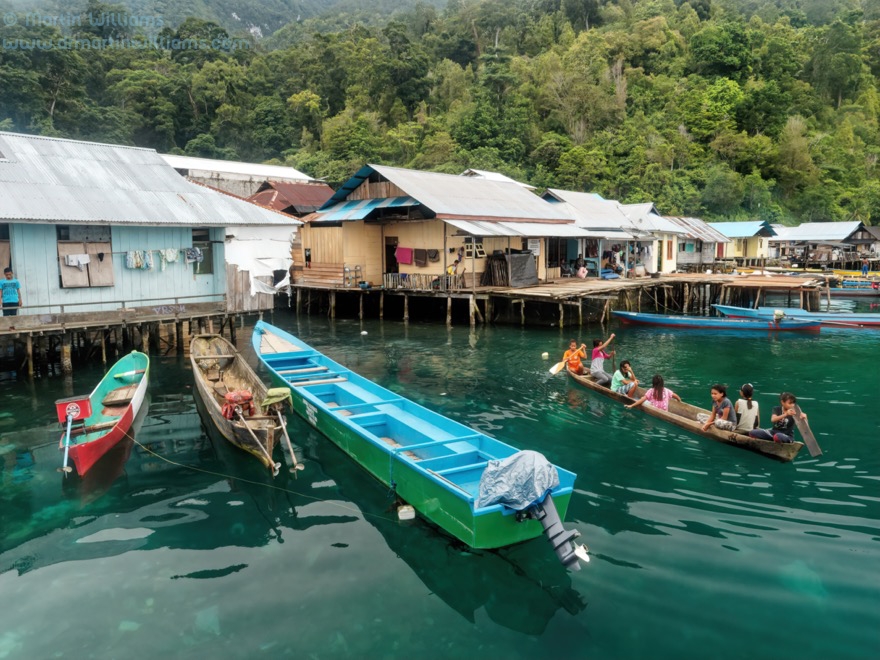
Respect local culture: The villages of Saleman/Sawai are inhabited; being a respectful visitor enhances the experience.
Health & safety
-
Since capabilities may be more limited than big resorts, ensure you have travel insurance that covers remote travel, accident, evacuation if needed.
-
Sea conditions: check weather/boat safety, especially if you go out for excursions.
-
Reef safety: Avoid standing on coral, avoid kicking fins into reef, don’t collect shells or corals.
-
Environment: Use reef‐safe products, dispose of trash responsibly, avoid single-use plastics where possible.
7. Conservation & local community
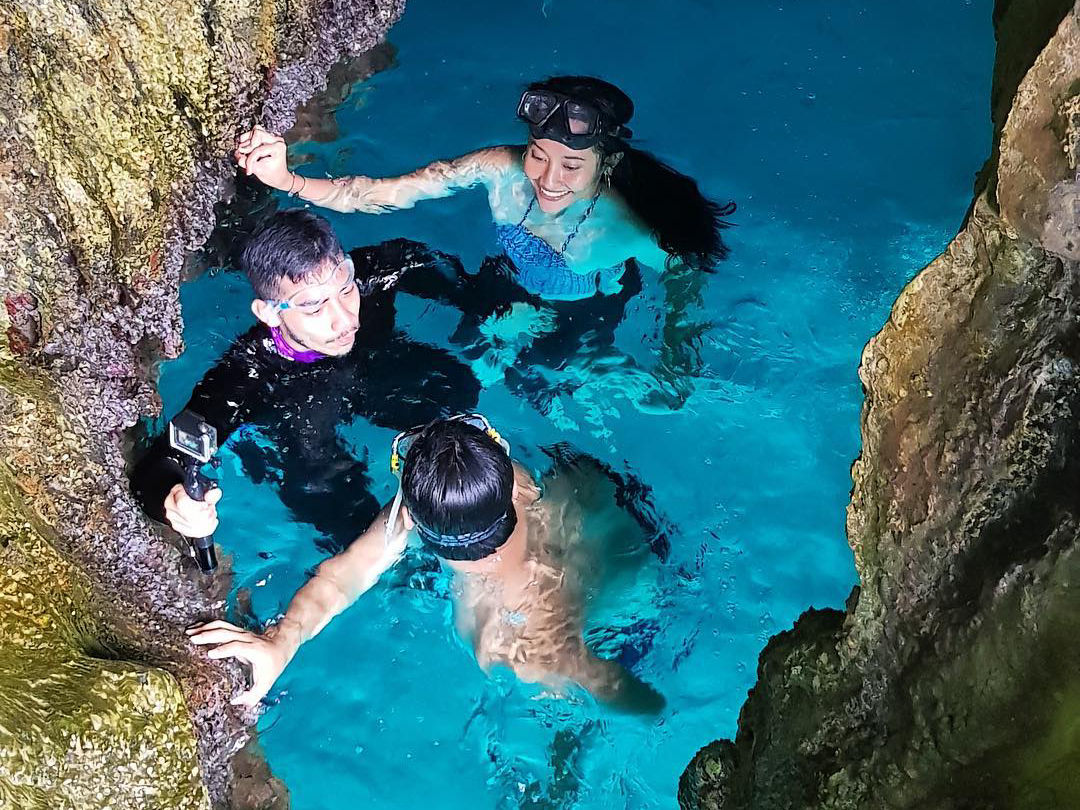


Part of the appeal of Ora Beach is its “untouched” nature — but with that comes the responsibility of maintaining it. Here are some notes:
-
The Indonesian Wikipedia article notes that the area is near or within the region of Manusela National Park (the surrounding forest/mountain area) meaning there is natural conservation value. (Wikipedia)
-
Travel blogs mention some concern about maintenance and local clean‐up: for instance, one blog noted “the only downside is you’ll occasionally see some trash floating near the village. It’s a priceless location and it really needs better conservation.” (The World Travel Guy)
-
As a visitor, you can support conservation and local community by:
-
Choosing accommodations that support or respect the local community.
-
Minimizing plastic waste, using reef‐safe sunscreen, avoiding damage to coral.
-
Being respectful of village culture and environment.
-
If possible, asking about local conservation initiatives or supporting them (e.g., via voluntary contributions, clean‐up days, or local guides who emphasise sustainability).
-
8. Why it’s special (and what makes it stand out)
-
Scenery: Not just a beach – the mix of white sand, turquoise water, lush jungle, and limestone cliffs is rare. The visual effect is dramatic and photogenic.
-
Remoteness: Because it’s less-visited and a bit more effort to reach, it retains a quieter, more peaceful ambience. For travellers who want “off the beaten path” but still beautiful beach/sea, it fits perfectly.
-
Underwater access: With reefs near the shore and calm waters, snorkeling is easy and rewarding.
-
Comparative value: Compared to more famous island destinations in Indonesia (or the Maldives themselves), you may find more relaxed pricing and fewer crowds.
-
Authenticity: The vibe is less “mass market tourism” and more “nature + small community + simple luxury.” For many travellers, that’s a big plus.
9. Sample 4-day itinerary (friendly version)
Here’s a gentle itinerary assuming you have around 4 days to spend at Ora Beach. You can adjust longer or shorter as you like.
Day 1: Arrival & settling in
-
Arrive in Ambon via flight.
-
Transfer from airport to ferry port (Tulehu) and boat to Amahai on Seram.
-
Drive to Saleman village. Stay overnight in Saleman or nearby guesthouse. Enjoy local dinner, rest.
-
Evening: stroll near village, enjoy dusk by the water.
Day 2: Arrival at Ora Beach, relax & snorkel
-
Boat from Saleman to Ora Beach. Check into your bungalow/guesthouse.
-
Spend the morning relaxing on the beach, swim in clear water, snorkel near the pier/bungalows.
-
After lunch: take a kayak or glass-bottom boat if available. Photograph the scenery.
-
Evening: sunset from the beach or bungalow walkway. Dinner by lantern.
Day 3: Exploration & nature
-
Morning: Snorkel again at a new spot or boat excursion around the bay/cliffs.
-
Midday: Lunch, then consider a boat trip to nearby viewpoint or scenic cliff area (check with local guide).
-
Late afternoon: rest, read a book in a hammock, simple beach games or walk along shoreline.
-
Evening: Optional night snorkel/float (if safe) or star-gazing on the beach.
Day 4: Winding down & departure
-
Early morning: optional sunrise photo session on the pier or swing under a palm tree.
-
After breakfast: final swim/snorkel. Pack up and check out.
-
Boat back to Saleman, drive to Amahai, ferry to Ambon, flights onward.
If you have more days, extend with village visits, bird‐watching in the forest, or combining with other Maluku islands.
10. What to keep in mind (realistic considerations)
-
Remote location means infrastructure may be more basic than mega luxury resorts — power, wifi, plumbing may be good but not “five‐star city‐hotel” perfect.
-
Weather and sea conditions can influence your experience (boat rides, snorkeling visibility) — flexibility helps.
-
Travel time is longer and involves multiple legs — give yourself buffer time, don’t rush.
-
If you’re travelling with children or require more amenities (medical, luxury shopping), plan accordingly.
-
Respect the local community, environment, and wildlife (especially coral reefs). The beauty of the place depends on these being well‐looked after.Final thoughts
If you’re looking for a beach destination in Indonesia that offers beauty, calm, nature, snorkelling and the feel of a tropical paradise — without the crowds of the big resorts — then Ora Beach on Seram Island is a very strong contender. It is indeed one of those “hidden gems” where the journey is part of the experience, where you’ll wake up to turquoise water, quiet waves, a palm tree swing maybe, and the sense of being tucked away in a tropical fairy‐tale.
Whether you go for a quick 3-4 day escape or a longer nature-immersed stay, ensure you bring your snorkel gear, embrace the slower pace, leave your footprints light, and savor the views. Because places like this are special — and keeping them special means being thoughtful travellers.
If you like, I can put together a detailed 7-day itinerary for Ora Beach including village visits, snorkeling sites, budgeting, and transport logistics — would you like me to do that?